Washburn 5238 , 1926
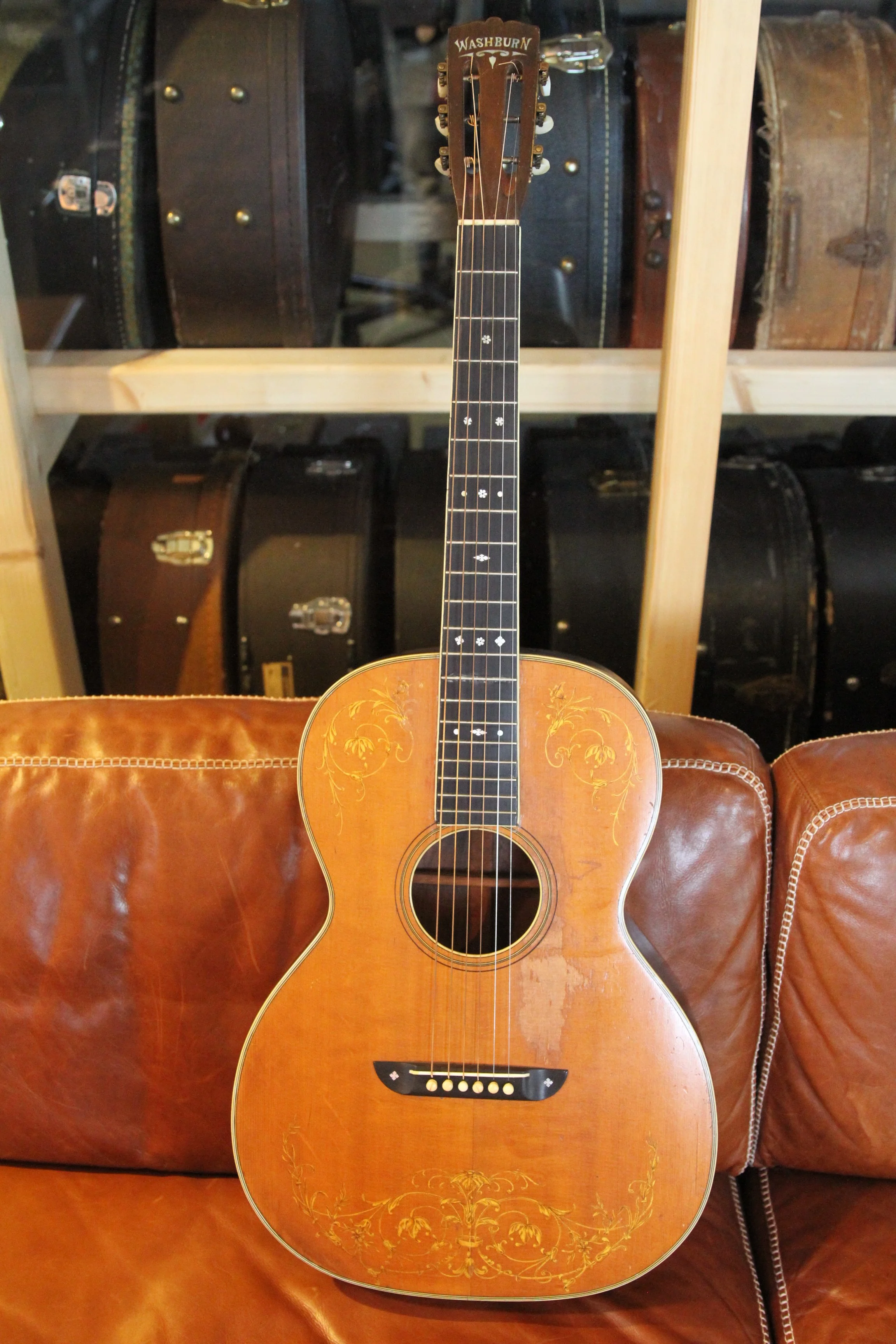
The Washburn Model 5238, dating from around 1926, represents one of the larger and more refined flat-top guitars of the late Lyon & Healy period in Chicago. This early and particularly sought-after version features the approximately 15-inch body, a notably generous size for a Washburn guitar of the mid-1920s.
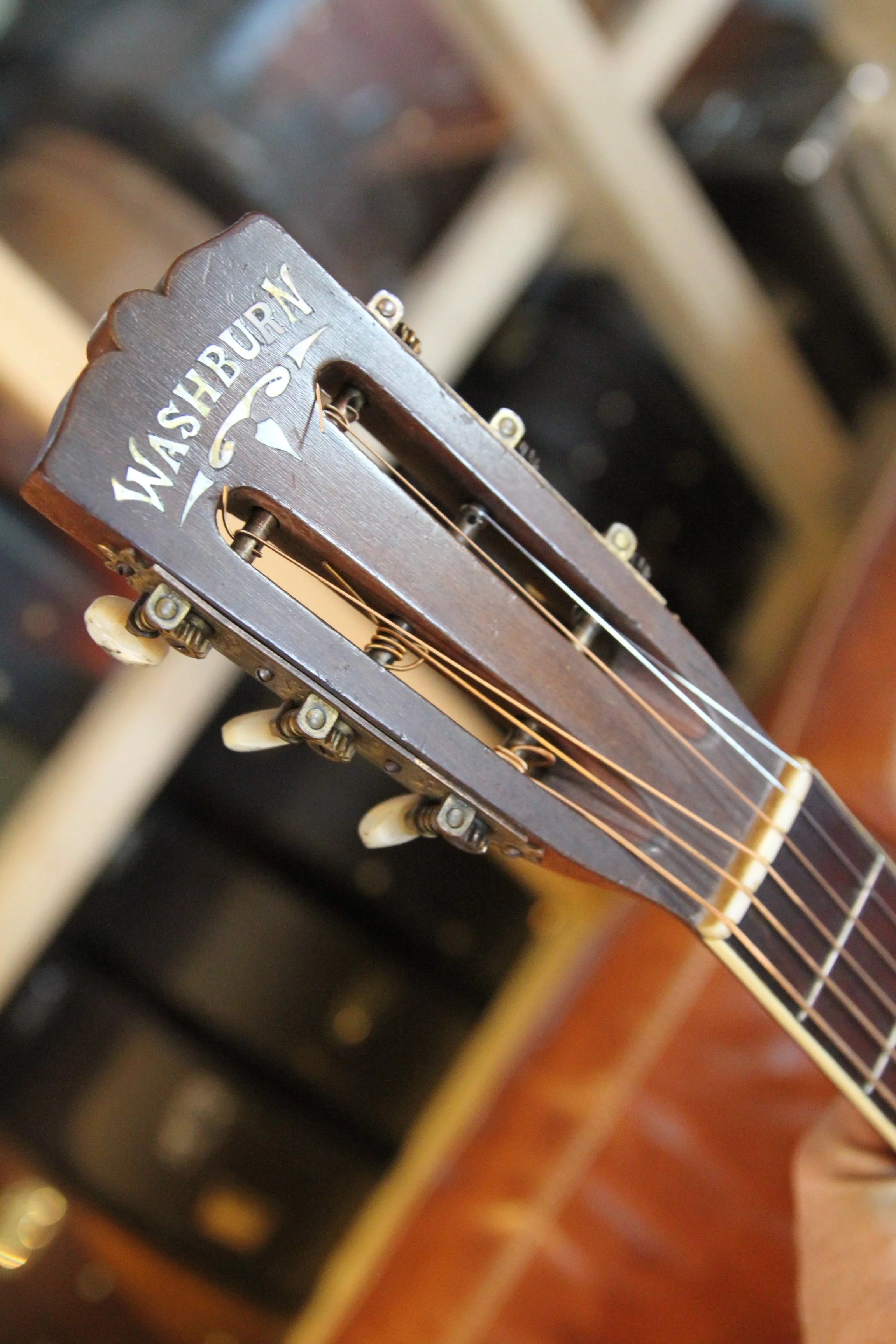
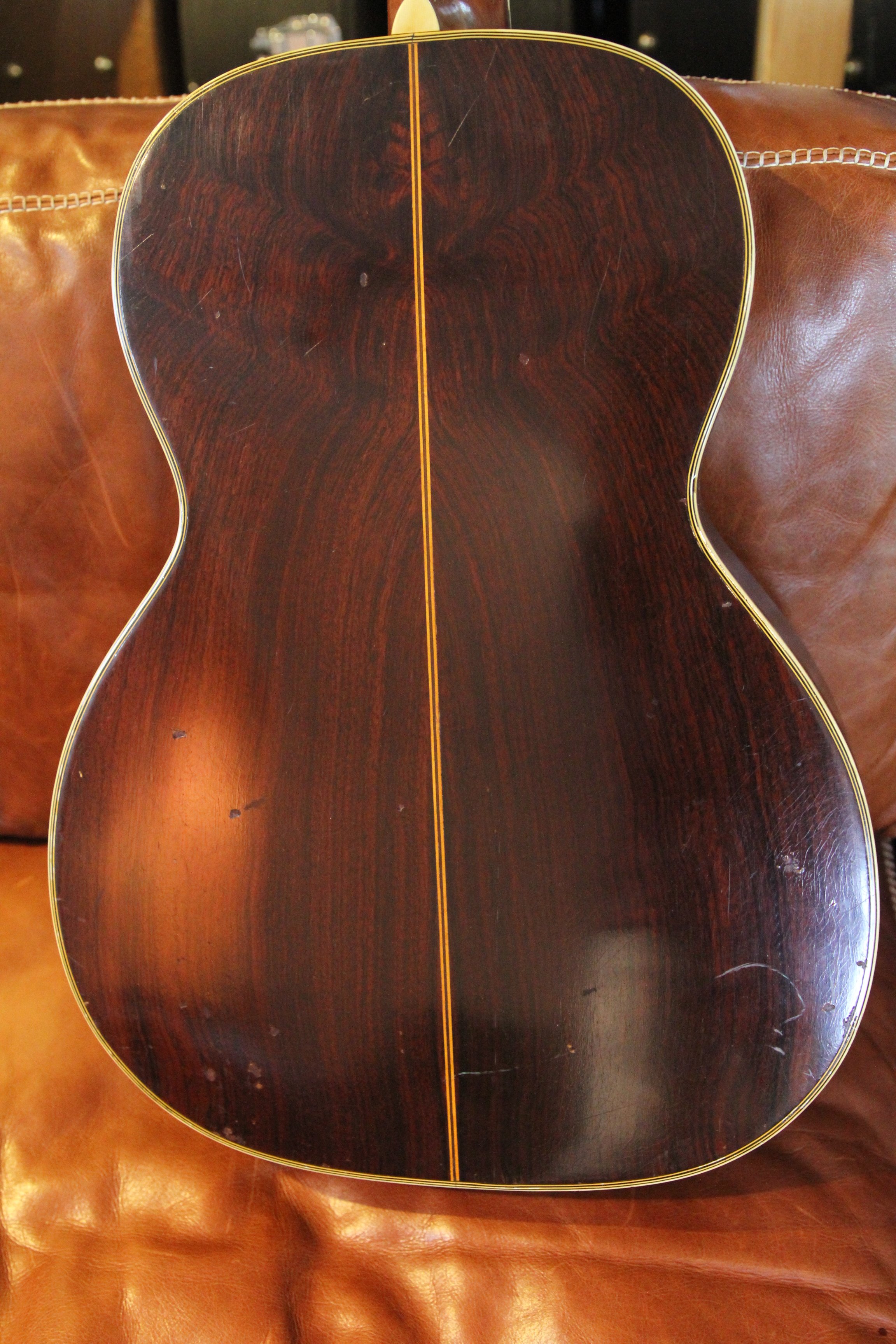
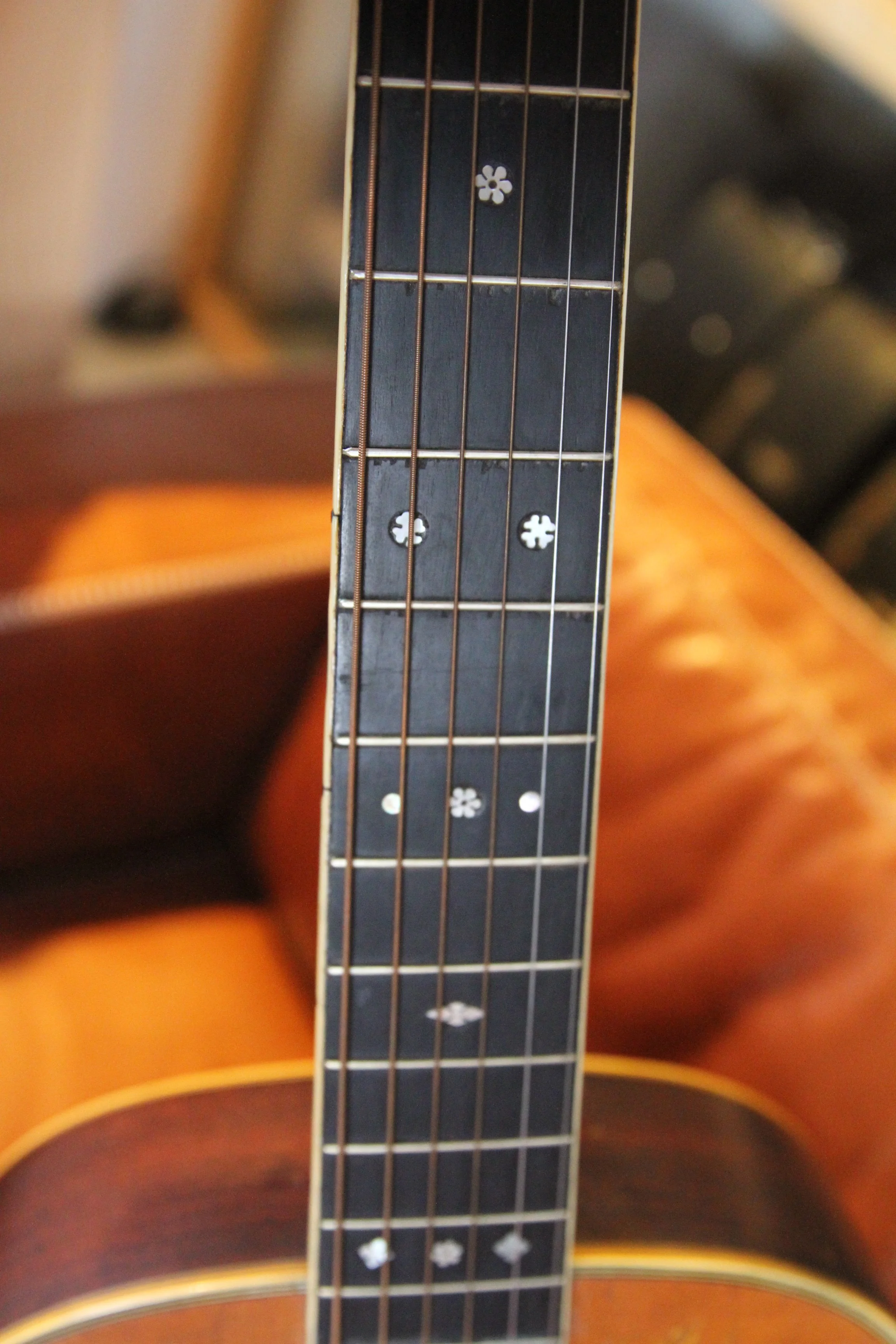
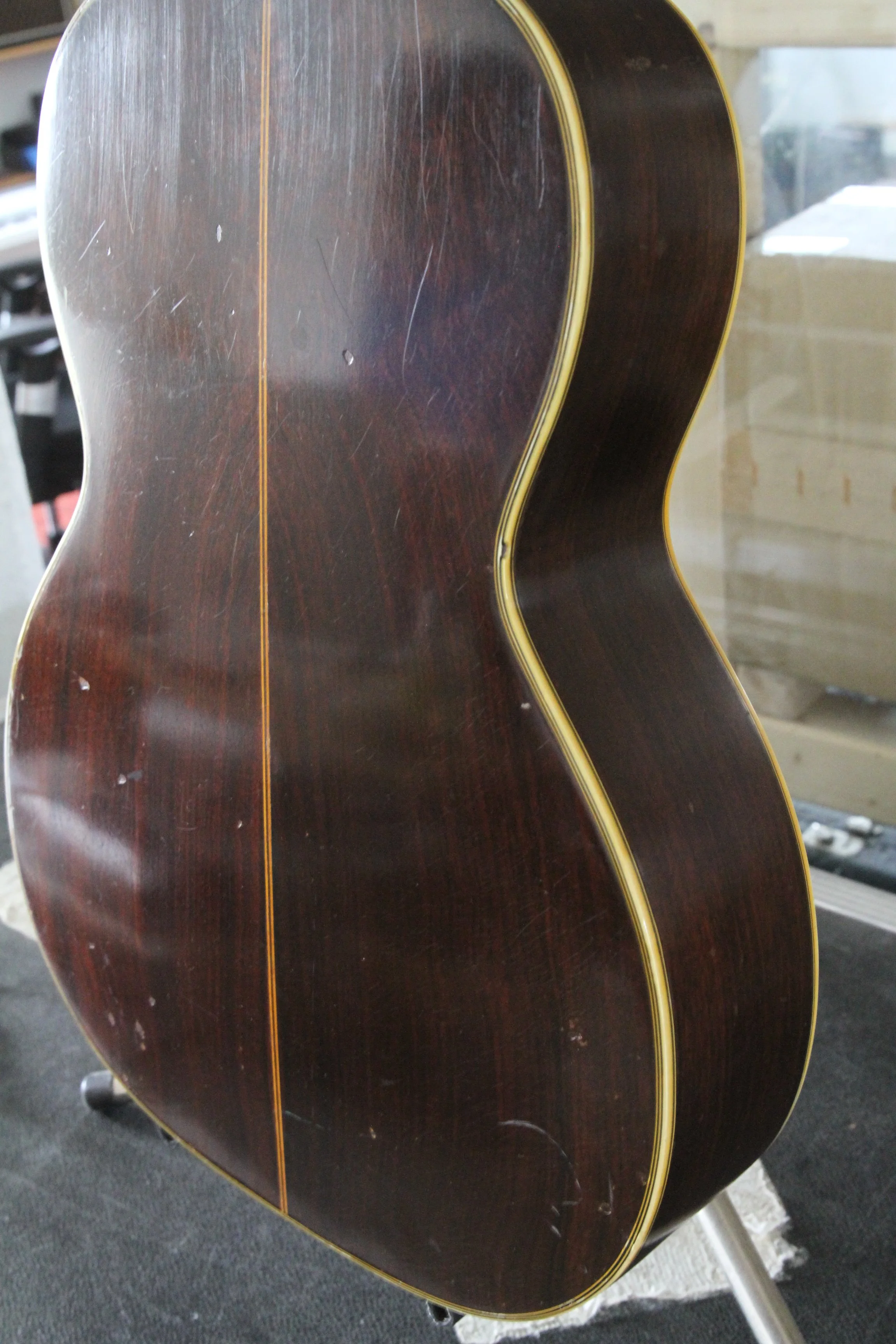
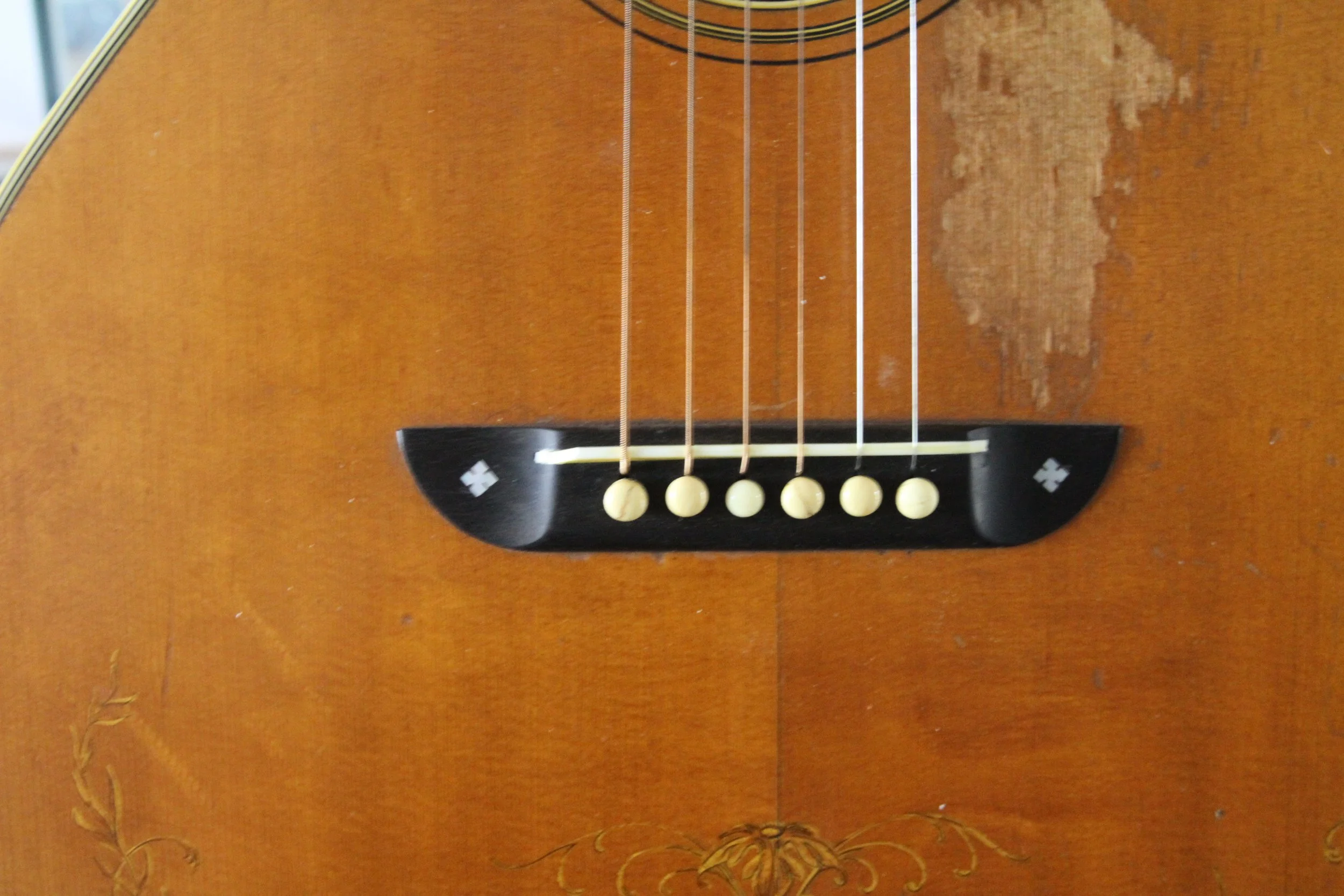
Built with a spruce top, rosewood back and sides, and a 12-fret neck joint, the 5238 reflects the light construction and high level of craftsmanship associated with Washburn's better-grade instruments of the period. Its traditional slotted headstock, decorative binding and purfling, ebony fingerboard and restrained pearl ornamentation are characteristic of Washburn's upper-level models.
The larger body distinguishes this version from the smaller 5238 guitars encountered in later years. Together with its 12-fret geometry and lightly built soundboard, it gives the instrument a broad, responsive voice with greater depth and projection than the smaller Grand Concert models.
Produced shortly before Lyon & Healy left the fretted-instrument business and the Washburn name became associated with Tonk Brothers, the 15-inch Model 5238 belongs to an important transitional period in American guitar making and represents the final phase of the original Chicago Washburn tradition.