Die Gitarre Berlin Model 17 , 1937
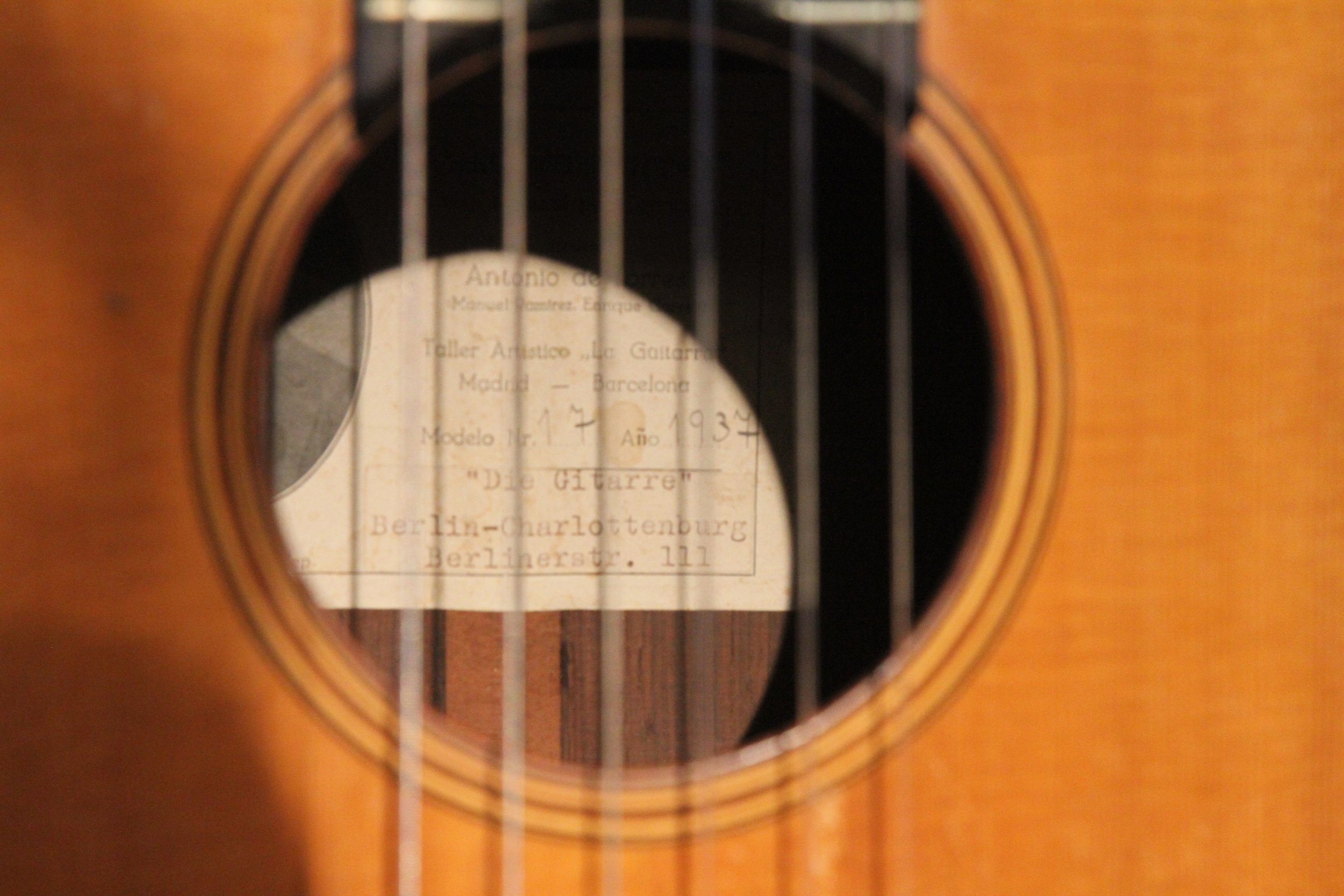
Taller Artístico "La Guitarra" (Madrid - Barcelona) – Modelo 17 (Año 1937) is written on the label inside.
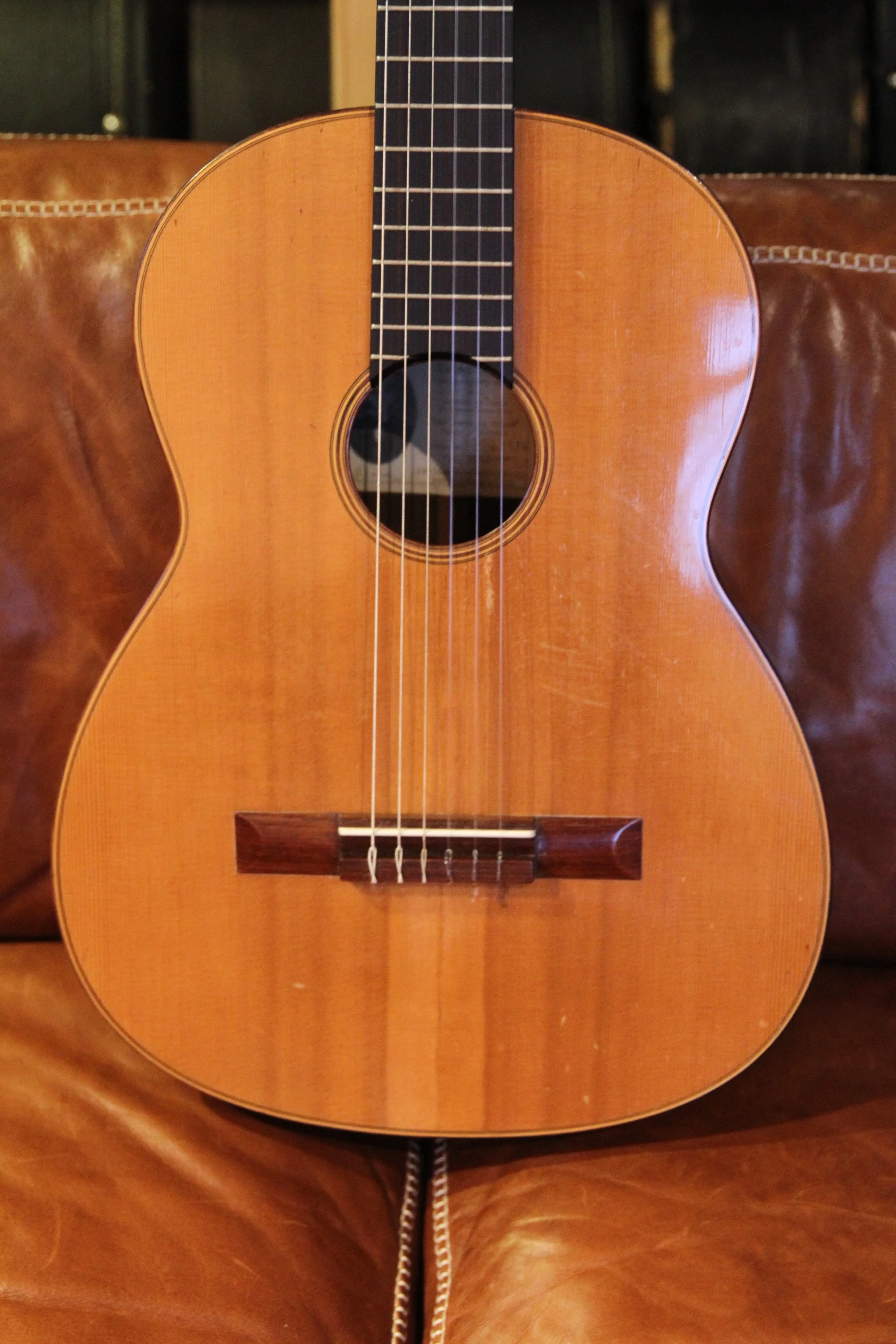
This exceptional instrument is a historic time capsule from a fascinating chapter of classical guitar history. Built in 1937 under the label of Taller Artístico "La Guitarra", this guitar represents a direct bridge between the finest Spanish lutherie traditions and the German Guitar Reform movement of the early 20th century.
During the 1920s and 1930s, the renowned German guitarist, editor, and publisher Erwin Schwarz-Reiflingen operated the specialist shop and publishing house "Die Gitarre" in Berlin-Charlottenburg (Kantstraße 52). To supply the German market with authentic, concert-grade instruments built in the iconic style of Antonio de Torres, Schwarz-Reiflingen established a collaborative network with elite, independent luthiers in Spain’s two major guitar-making hubs: Madrid and Barcelona.
Instruments imported under the Taller Artístico ("Artistic Workshop") label were built in exclusive, limited quantities according to strict Torres specifications. Bearing the date 1937 (Año 1937), this specific guitar was completed right at the onset of the Spanish Civil War—a turbulent era during which materials became scarce, workshops were collectivized, and exports to Germany ground to a near-total halt, making surviving instruments from this exact year incredibly rare.
While the dual location on the label lists both Madrid and Barcelona, the structural DNA of this "Modelo 17" strongly points to a Madrid origin (such as the workshops surrounding José Ramírez II or contemporaries of Santos Hernández).
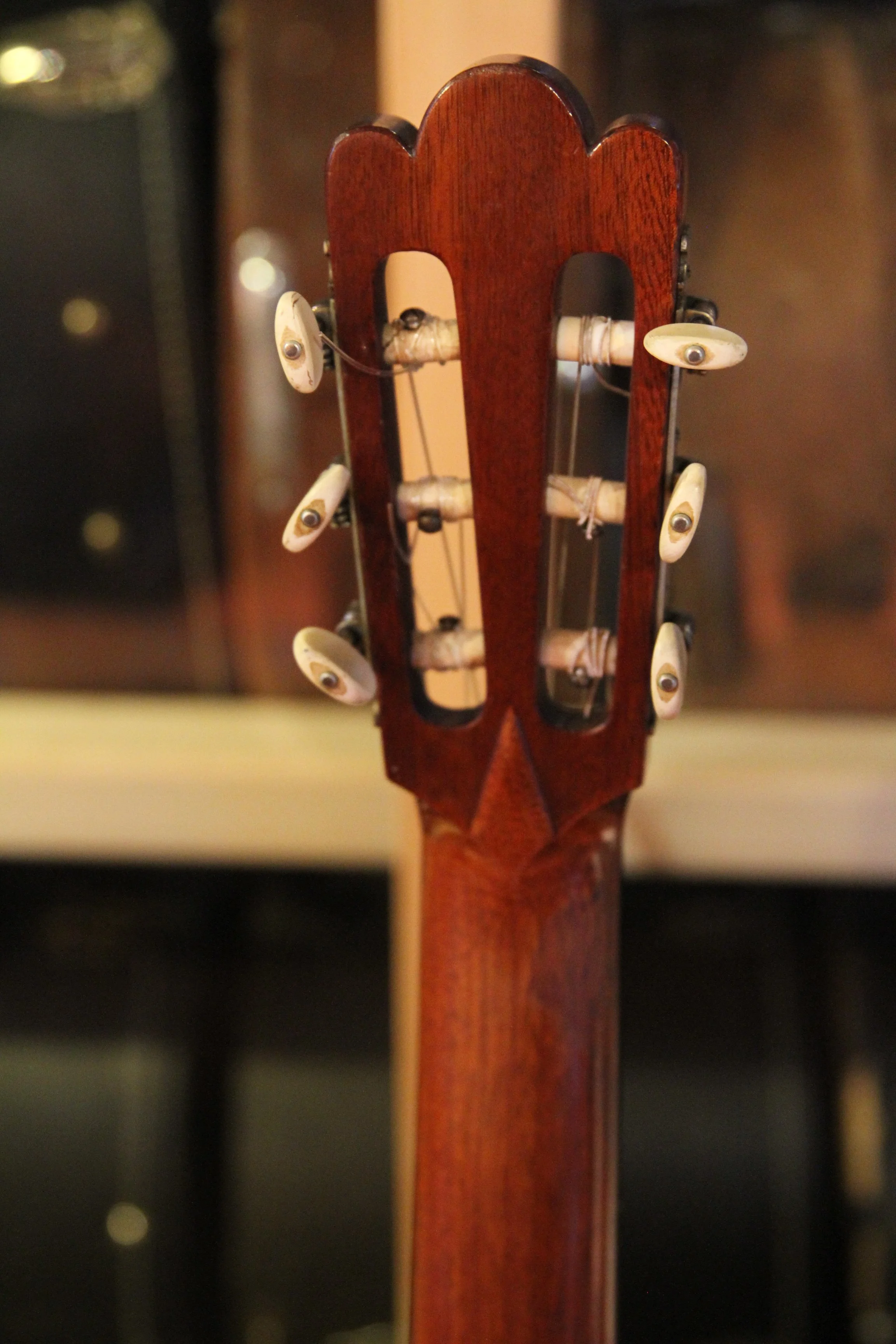
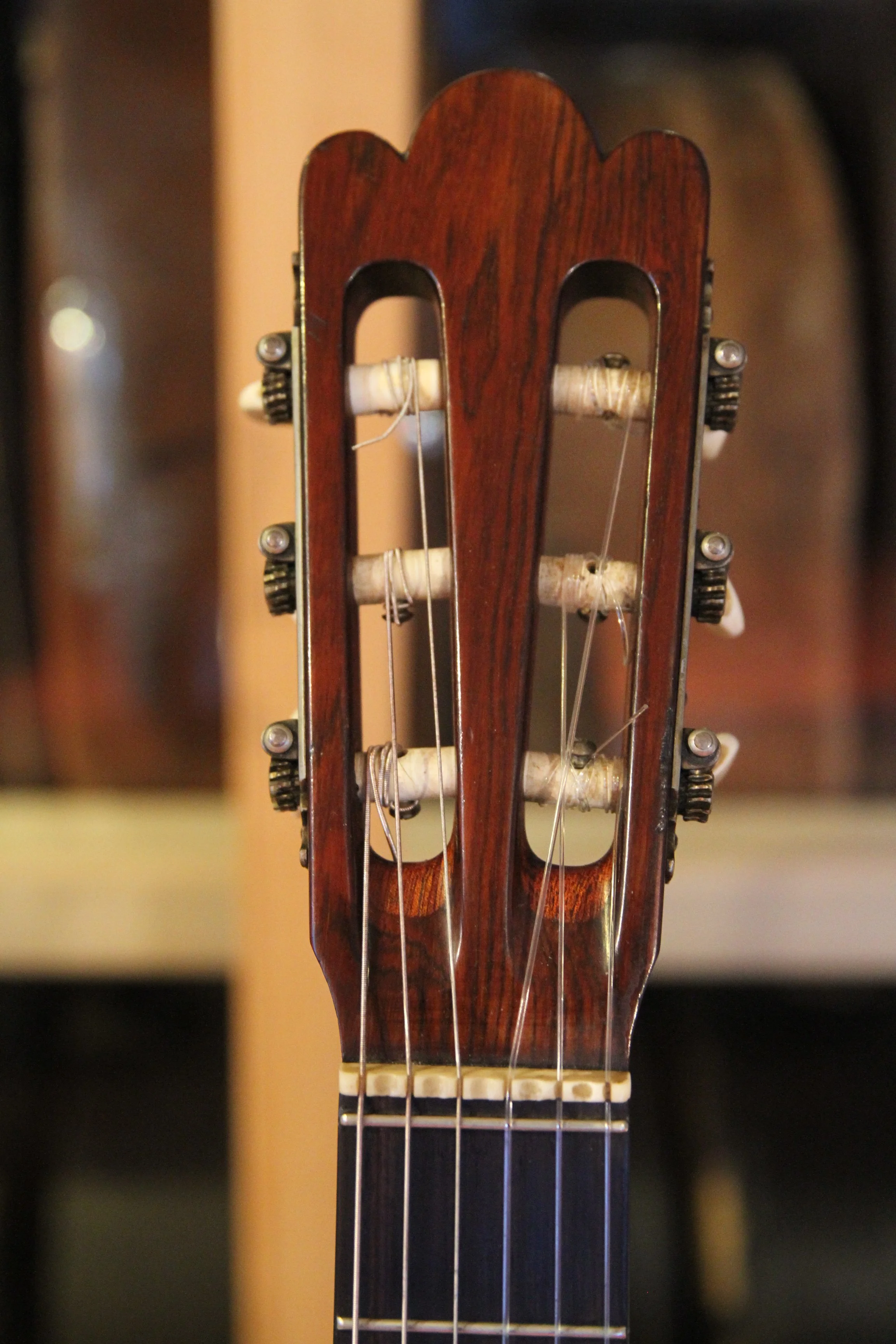
In contrast to the heavily carved, asymmetrical headstocks typical of the Barcelona school (e.g., Francisco Simplicio), this instrument features a classic, understated, and unadorned Madrid-style headstock, epitomizing the philosophy of "sonic excellence over optical pride."
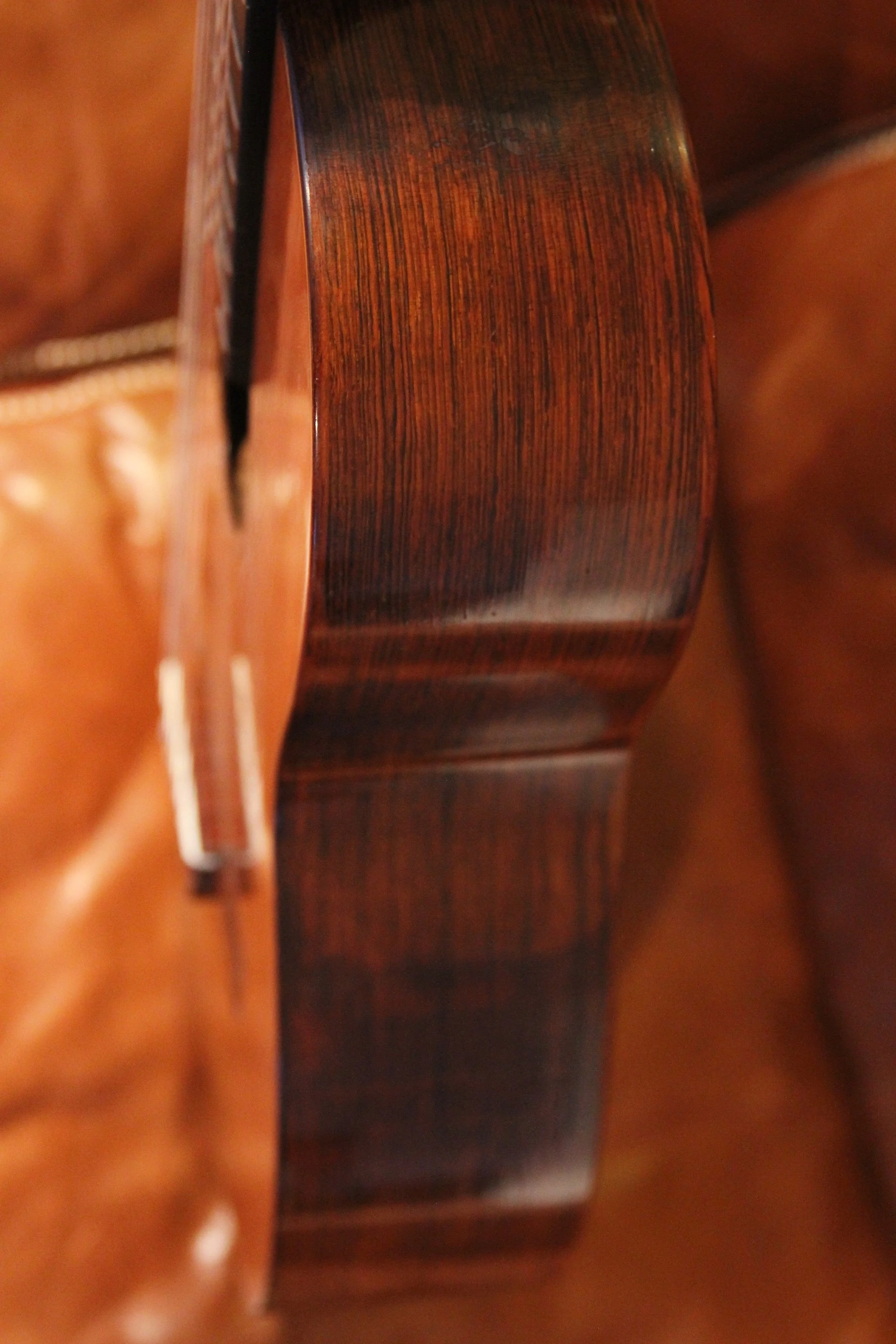
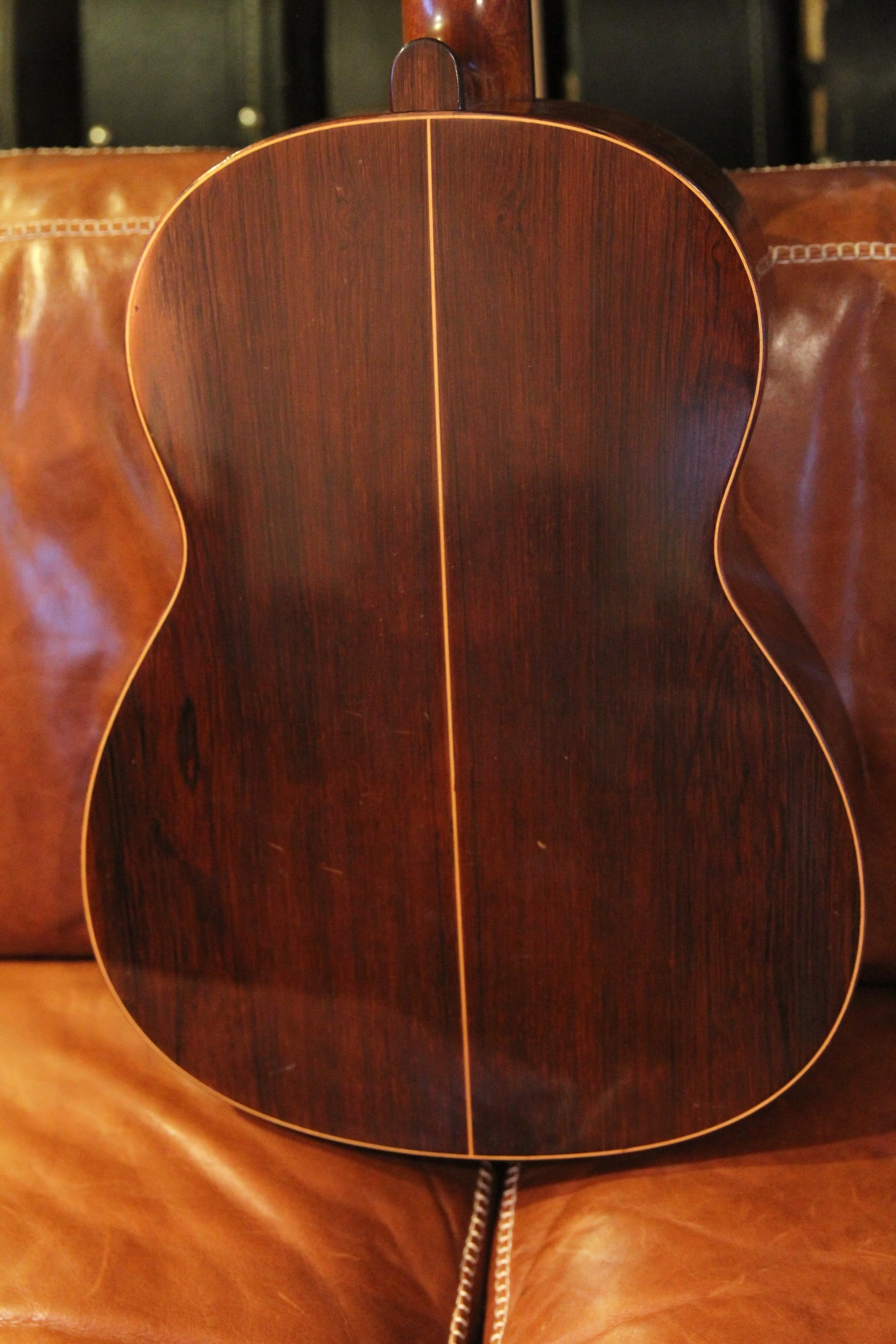
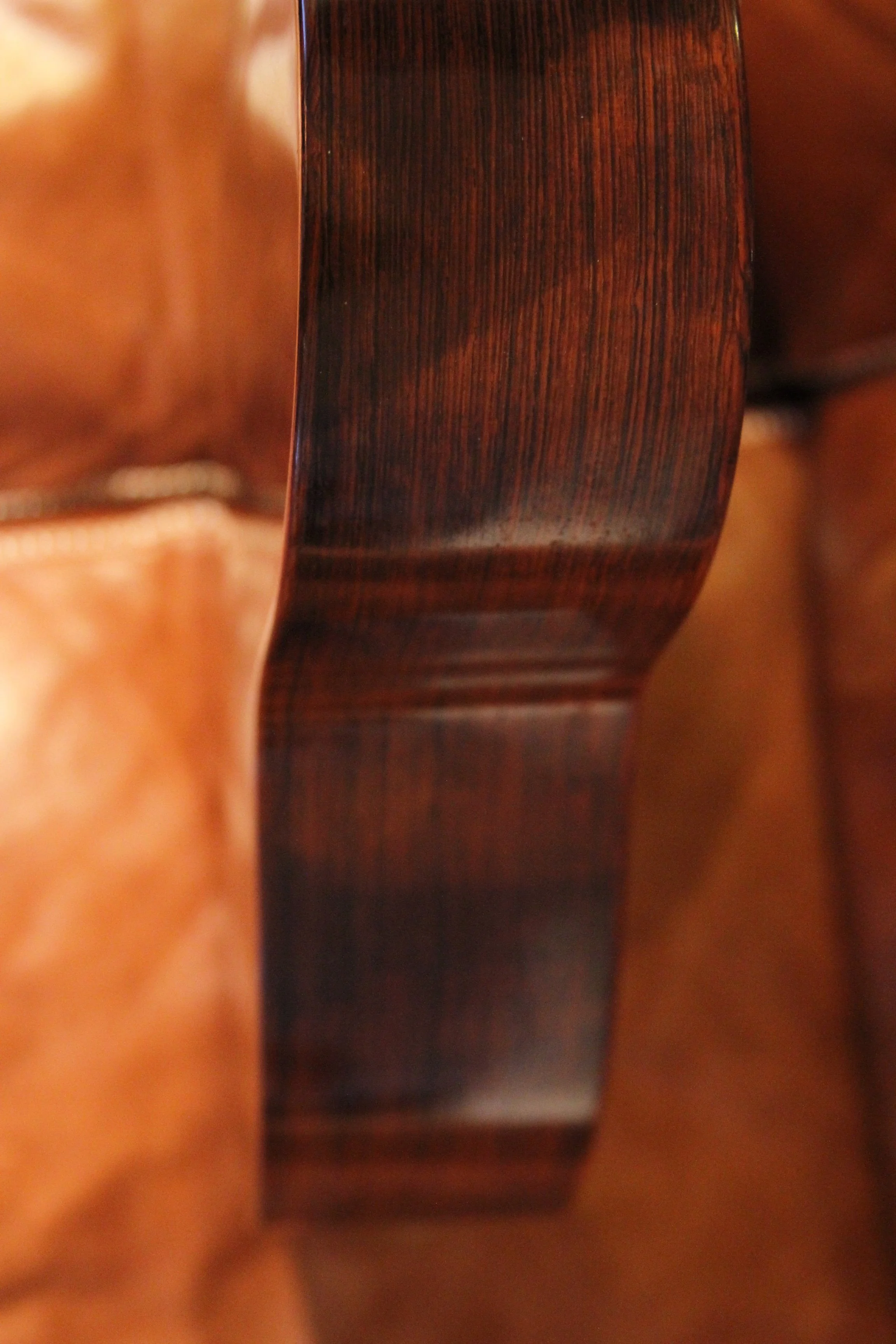
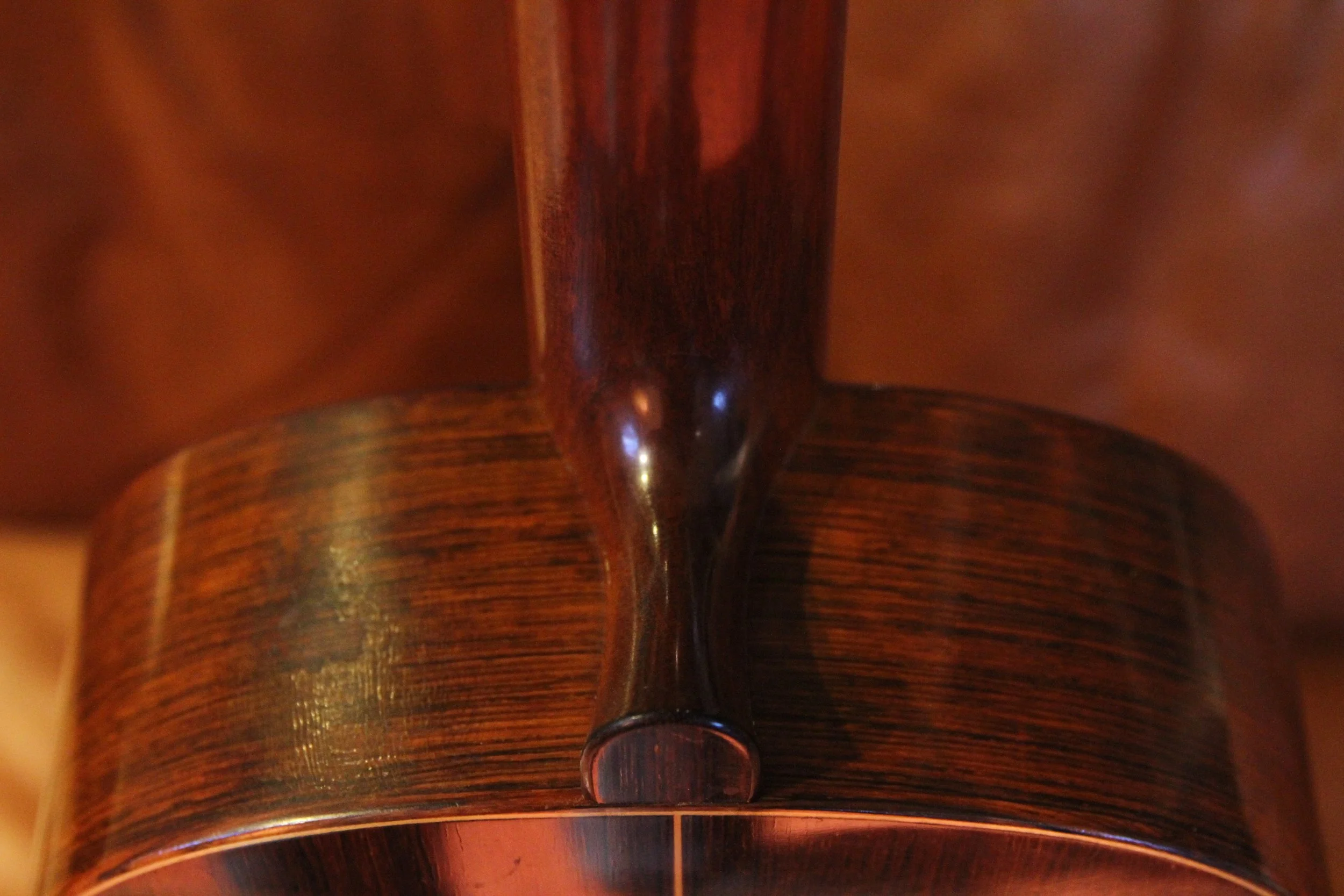
The back and sides are crafted from exceptionally fine-grained, quartersawn Brazilian Rosewood (Dalbergia nigra), the undisputed gold standard of the era. This premium choice is paired with a master-grade European spruce top, a mahogany neck featuring a matching Brazilian Rosewood headstock veneer, and high-quality, beautifully engraved pre-war precision tuners.
The most spectacular and unique feature of this particular instrument is the presence of a zero fret(Nullbund). While completely alien and traditional anathema to 1930s Spanish luthiers, the zero fret was highly championed by German reform luthiers (such as Richard Jacob "Weißgerber") for its technical precision, perfect action, and tonal consistency between open and fretted strings. It is highly probable that this guitar was imported from Madrid as a raw, unfinished instrument and fitted with the zero fret in the Berlin workshop prior to its final sale.
Acoustically, the guitar yields a stunning realization of the Torres ideal: an extraordinarily warm, deeply resonant bass response combined with brilliant, singing, and modern trebles—magnified by the stiffness of the Brazilian Rosewood and the immediate clarity of the zero fret.
Preserved in excellent, fully playable condition, the guitar bears an authentic patina with minor play wear and a professionally stabilized, historic hairline crack running from the bridge to the lower bout—a classic characteristic of the thin, responsive soundboards favored by Torres. Today, it resides in a charming, era-appropriate 1950s/60s faux-crocodile hardshell case, standing as a museum-grade treasure of international guitar heritage.